Buys doen beroep op mense om ʼn nalatenskap te laat

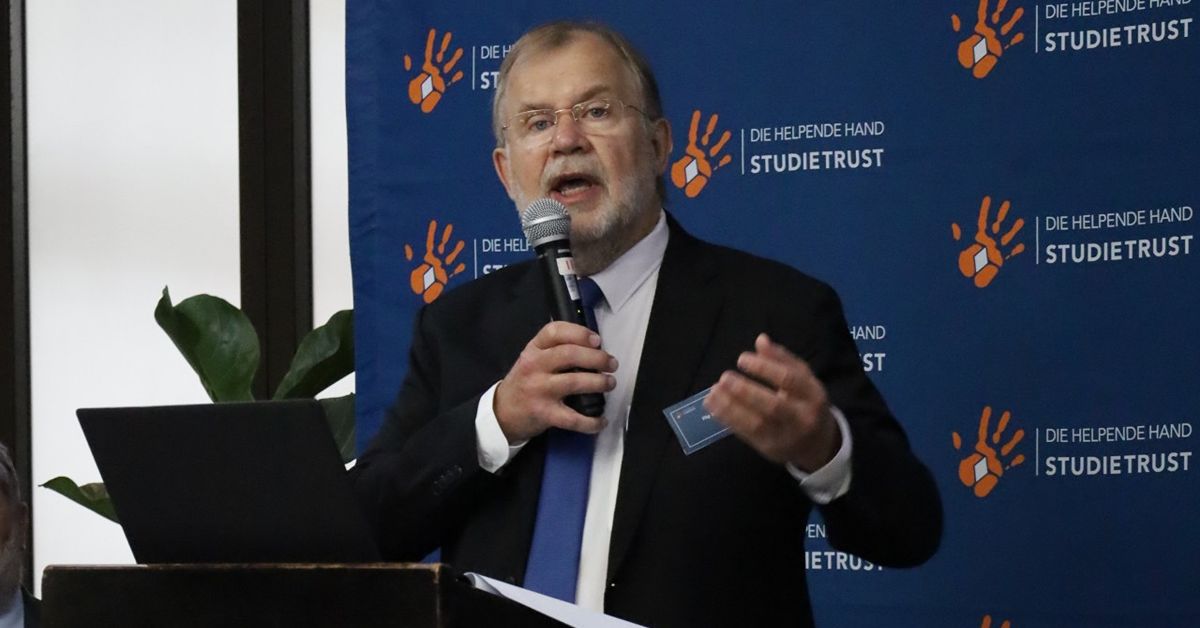
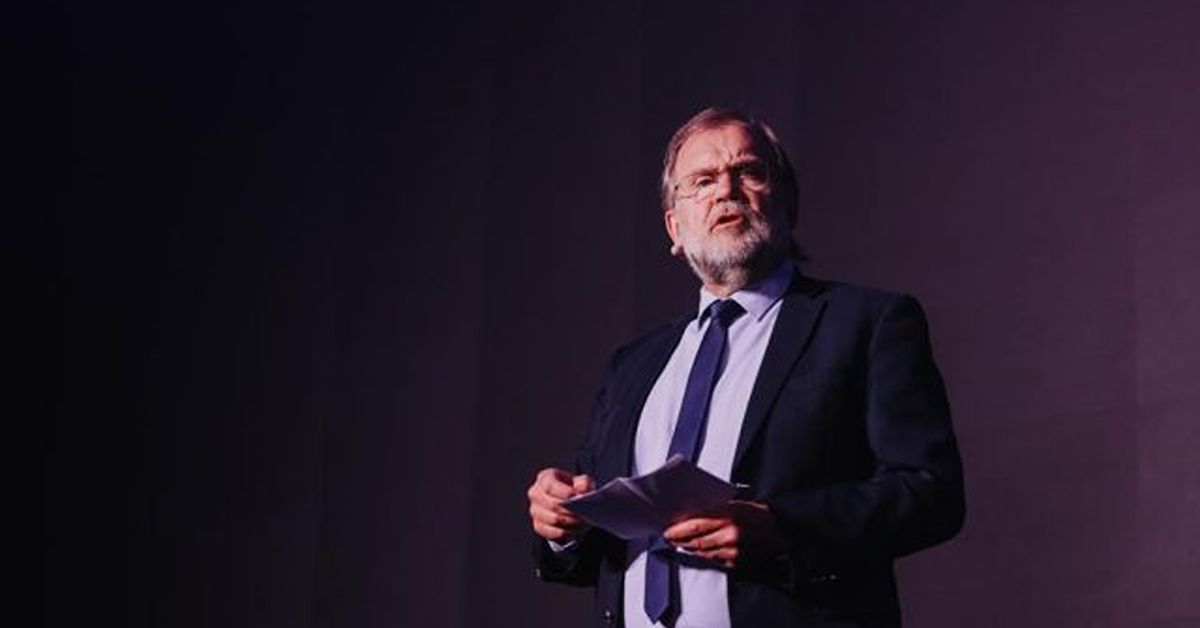
Flip Buys, voorsitter van die Solidariteit Beweging, het Dinsdag (29 September) tydens die Helpende Hand Studietrust se sakeontbyt ʼn sterk beroep op mense gedoen om ʼn blywende nalatenskap te laat.

Die geleentheid, wat in samewerking met Akademia aangebied is, het op Akademia se Leriba-kampus in Centurion plaasgevind. Sakeleiers is genooi na ʼn inspirerende oggend waartydens gassprekers soos dr. Steve Booysen, Flip Buys, Hannes Noëth en Dawie Roodt die waarde van nalatenskap onder die loep geneem het.

Die Studietrust bied jaarliks studiehulp ter waarde van R75 miljoen aan meer as 1 200 studente. Buys het benadruk dat ʼn samelewing slegs kan vooruitgaan as elke geslag vir die volgende een leef.

“Studiehulp is die beste moontlike belegging. Hierdie studiehulp is ʼn helpende hand, en nie ʼn bedelhand of ʼn eisvuis nie,” het Buys gesê. Terwyl NSFAS (die Nasionale Studentehulpskema) gereeld in die nuus is weens wanbestuur, spog die Studietrust met ʼn merkwaardige 99%-terugbetalingskoers en jarelange skoon oudits.

“Dit beteken dat die geslag wat ons nou help, ook begryp dat elke geslag vir die volgende geslag moet leef, want met elke terugbetaling word ʼn volgende student weer gehelp. Gratis studie is op die lange duur alles verniet,” het Buys verduidelik.

Volgens Buys spruit huidige voorspoed uit voorouers se kulturele beleggings, wat nou opnuut aangevul moet word deur ʼn Sol-Tech en Akademia te bou. “Kultuur is ʼn verbond tussen geslagte – ʼn agting vir die vorige, ʼn liefde vir die volgende en ʼn verantwoordelikheid vir beide.”

Die Studietrust is bepalend vir die sukses van die nuwe kampus, en Buys het ʼn beroep op almal gedoen om dr. Anton Rupert se woorde uit te voer: “ʼn Klein volk moet groot dink en groot doen.”

Maak ʼn donasie – of eerder ʼn belégging – hier: https://hh-studietrust.co.za/donasie/.

Volhoubare Afrikaanse onderwys vir die volgende geslag

Die Solidariteit Beweging het tydens die Onderwys Toekomsberaad ʼn omvattende plan vir volhoubare Afrikaanse onderwys bekendgestel. Hierdie plan gaan saam met ander rolspelers en vennote uitgevoer word.

Die belangrikste beweegredes vir hierdie plan is soos volg:

Ons wil wêreldklas in Afrikaans wees

Die Solidariteit Beweging wil aan ‘n omvattende kulturele ekosisteem help bou wat uiteindelik die hele pyplyn vanaf Afrikaanse Kleuterskole tot Beroepskolleges en ‘n universiteit met verskeie Sattelietkampusse en ‘n aanlyn studiemodel insluit. Ons wil hê ons kinders en jongmense moet skole, kolleges en universiteite hê waar hulle veilig kan tuisvoel. Dis ‘n strewe na normaliteit, nie na die verlede nie. ʼn Taal se hoër funksies is onontbeerlik om sy langtermyn-volhoubaarheid te verseker. ʼn Kultuurgemeenskap het opvoedkundige instellings nodig om sy taal en kultuur na volgende geslagte oor te dra. Daarby het skole, kolleges en universiteite ʼn opleidings- én ʼn opvoedingsrol. Terselfdertyd word leerders en studente vir ʼn meertalige werksomgewing voorberei. Dit is ʼn bekende feit dat moedertaalonderrig die beste vorm van onderrig is en dat dit studente toerus om hul kennis in ander tale te kan toepas.

Ons mag wêreldklas in Afrikaans wees

Die Grondwet bepaal in artikel 29 dat enkelmedium-opleidingsinstellings mág bestaan en dat elkeen die rég het om in enige amptelike taal opgelei te word. Dis nie ‘n guns wat ons van die regering vra nie, dis ‘n reg wat internasionaal erken word. Ingevolge artikel 6 van die Grondwet is Afrikaans ʼn amptelike landstaal. Ons hoër onderrig instellings soos Sol-Tech en Akademia is al jare lank geregistreer en geakkrediteer, bied gehalte-opleiding aan en sluit geen persoon of groep uit nie. Dis oop vir enige persoon wat aan die akademiese standaarde voldoen en wat in Afrikaans wil studeer.

In 2019 het die Konstitusionele Hof by monde van hoofregter Mogoeng Mogoeng in sy uitspraak in die Stellenbosch-taalsaak, ʼn beroep op die gemeenskap gedoen om self privaat onderriginstellings ter bevordering van Afrikaans en ander inheemse tale te bou. Regter Mogoeng het selfs ʼn beroep op korporatiewe welwillendheid gedoen om hulpbronne beskikbaar te stel om te help om privaat moedertaalgebaseerde opleidingsinstellings te befonds.

Die Grondwetlike hof se versoek dat gemeenskappe self instellings moet bou en met eie kapitaal finansier om hul taal te bevorder, is dus presies wat die Solidariteit Beweging en ons vriende en vennote doen.

Die grondliggende reg van enige kultuur is die reg op voortbestaan, wat net moontlik is met outonome kulturele instellings soos skole, kolleges en universiteite.

Ons kan wêreldklas in Afrikaans wees

Solidariteit het Sol-Tech in 2006 begin en duisende studente is al by die kollege opgelei. Daar is vanjaar byna 3000 studente in die onderskeie opleidingsfases wat opleiding in teorie, praktiese opleiding in ons werkswinkels en indiensopleiding by maatskappye behels. Die eerste R120 miljoen vir die oprigting van Sol-Tech het uit die maandelikse R10-bydraes van Solidariteit-lede gekom. Waar daar ‘n wil is, word die wil die weg!

Akademia is in 2012 begin en gaan so vinnig van krag tot krag dat ‘n reuse kampus tans in Pretoria gebou word, terwyl daar ook grond in die Paarl aangekoop is met planne om vir ons Satellietkampus daar ‘n tuiste te bou.

Die Solidariteit Helpende hand Studietrust se doel is om fondse beskikbaar te stel sodat almal wat wil moet kan leer en studeer. Die Trust word befonds deur Solidariteit ledebydraes, skenkings, inkomste vanaf die Virseker Trust, bydraes van die Helpende hand se Ons Winkels ketting groep, en bemakings. Wêreldklas onderrig en opleiding is geweldig duur en die bekostigbaarheid van onafhanklike instellings wat sonder staatsteun moet klaarkom bly ‘n uitdaging. Ons is baie  trots op ons jongmense, omdat die terugbetalingskoers van die studielenings nou op 99% te staan gekom het.

Ons kan, want ons het dit klaar bewys.

Ons kan nie alles op ons eie of net met gemeenskapbydraes doen nie. Daarom sluit ons nou vennootskappe aan tussen kultuur en kapitaal, waar beleggers ‘n markverwante opbrengs kry, en terselfdertyd ‘n kulturele dividend in die vorm van topklas onderrig en opleiding. Die doel is om uiteindelik waar prakties moontlik landswyd leefruimtes vir Afrikaans te bou.

Ek sê weer- ons kán, want ‘n Boer maak ‘n plan!

Ons moet wêreldklas in Afrikaans wees 

Dis algemene kennis dat die ANC vyandig teenoor Afrikaanse onderwys is. ‘n Vyandige owerheid is nie iets nuuts in ons geskiedenis nie. Sowat 200 jaar gelede het Lord Charles Somerset gedink hy draai Afrikaanse skole nek-om. ‘n Eeu later was dit weer Lord Milner se dagdroom. Nog ‘n ‘n eeu later is dit weer Lord Lesufi en kie se nagmerrie. Ons weet ons kan nie meer op die staat staatmaak om vir ons kinders wêreldklas onderrig en opleiding te voorsien nie. Wêreldklas onderwys is nie ‘n luukse nie, maar ‘n moét. Die vraag is dus nie óf nie, maar hoé. Dit is waaraan ons werk. Ons sal nie gaan lê voor ‘n regering wat nie eers ‘n Poskantoor kan bestuur nie.

Ons gaan wêreldklas in Afrikaans wees 

Die Solidariteit Beweging is besig om aan die kulturele infrastruktuur te bou om saam in Afrika te kan bly. Iemand wat ʼn huis bou, probeer nie ander uitsluit of homself afsonder deur die huis te bou nie. Hy bou sy huis juis om saam met sy bure in ʼn bepaalde woonbuurt te bly. Die gebou is net eie punt van die Ysberg wat bo die water uitsteek. Hierdie geboue kan net so groot en sterk wees soos die minder sigbare kulturele infrastruktuur wat al vir meer as twee dekades “onder’ die water gebou word. Dit behels die totale netwerk van instellings wat strek vanaf werksgebied na burgerregte-, media-, finansiële-, kulturele- en opvoedkundige instellings tot by organisasies wat ons erfenisse bewaar.

‘n Onderwysplan is deel van die pyplyn van Afrikaanse onderrig en opleiding waaraan ons saam met vriende en vennote bou.

Ons sal self

Die Afrikaanse gemeenskap het alles in sy vermoë gedoen om Afrikaanse hoër onderwys in die openbare sektor ingevolge die grondwetlike voorsiening daarvoor te laat voortbestaan. Ná talle gesprekke, pleidooie, versoeke en selfs hofsake is die openbare sektor se deure in ons gesig toegeslaan. Ons enigste uitweg is om dit self te begin doen. Vandaar ons leuse, “Ons sal self”. Dit is nie ‘n oproep vol heimweë terug na die verlede nie, maar ‘n wekroep om saam ‘n toekoms te bou.

Ons sal self, en ons sal saam as ‘n helpmekaarbeweging. Dit gaan nie oor die herlewing van ‘n uitgediende nasionalisme nie, maar oor gesonde kulturele selfvertroue, -selfrespek en selfverwesenliking.

Dieselfde geld vir ons skole. Ons sal saam met die Afrikaanse skoolgemeenskap werk, praat, en veg om ons openbare skole wêreldklas te hou, maar ons sal terselfdertyd ook met planne vir onafhanklike onderwys begin – saam met ander instellings wat met ons wil saamwerk.

Toekomsbouers

Ons wil beslis nie voorgee dat ons al die antwoorde het, of dat ons alles alleen kan doen nie. Ons het mekaar nodig, en ons sal met ander rolspelers wat Afrikaanse onderrig op die hart dra saamwerk waar enigsins moontlik. Ons nooi by Kanton Eiendomme almal uit om saam Toekomsbouers te wees.

Jare gelede het mense gedink dis onnodig én onmoontlik om onafhanklike Afrikaanse onderwysinstellings te bou. Die tyd het geleer dat dit nodig én moontlik is. Suid-Afrika is ‘n land waar dit wat teoreties moontlik is, in die praktyk soms onmoontlik is. Gelukkig is dit ook ‘n land waar dit wat teoreties onmoontlik is, in die praktyk wel moontlik is.

Afrikaanse skat

Afrikaanse jongmense word vandag blameer vir dinge wat gebeur het voor hulle gebore is, terwyl die regering nie die verantwoordelikheid aanvaar vir wat hulle vandag doen nie. Onthou, ‘n Kultuur kan net voortbestaan as elke geslag vir die volgende een leef.

Die Solidariteit Beweging wil graag die tradisie van wêreldklas- Afrikaanse onderrig en opleiding op nuwe maniere voortsit. Ons wil, ons mag, ons moet, ons kan, ons gaan en ons sal dit as gemeenskap self doen.

Afrikaners het immers nie die oseane deurkruis, deur die eeue oorleef, die onbekende ingetrek, magtige moondhede op die slagveld gepak en op talle gebiede wêreldklasprestasies opgelewer, omdat ons van jellie gemaak is nie. Ons is vrye burgers, nie dienswillige onderdane nie. Ons is vasbeslote om in die woorde van Van Wyk Louw, die skat van ons taal en kultuur veilig deur die skare te dra.

Die hede gaan nie weggaan nie, die verlede gaan nie terugkom nie, en die toekoms gaan nie vanself gebeur nie. My oproep is dus: kom laat ons bou!


Geskryf deur Flip Buys, voorsitter van die Solidariteit Beweging.

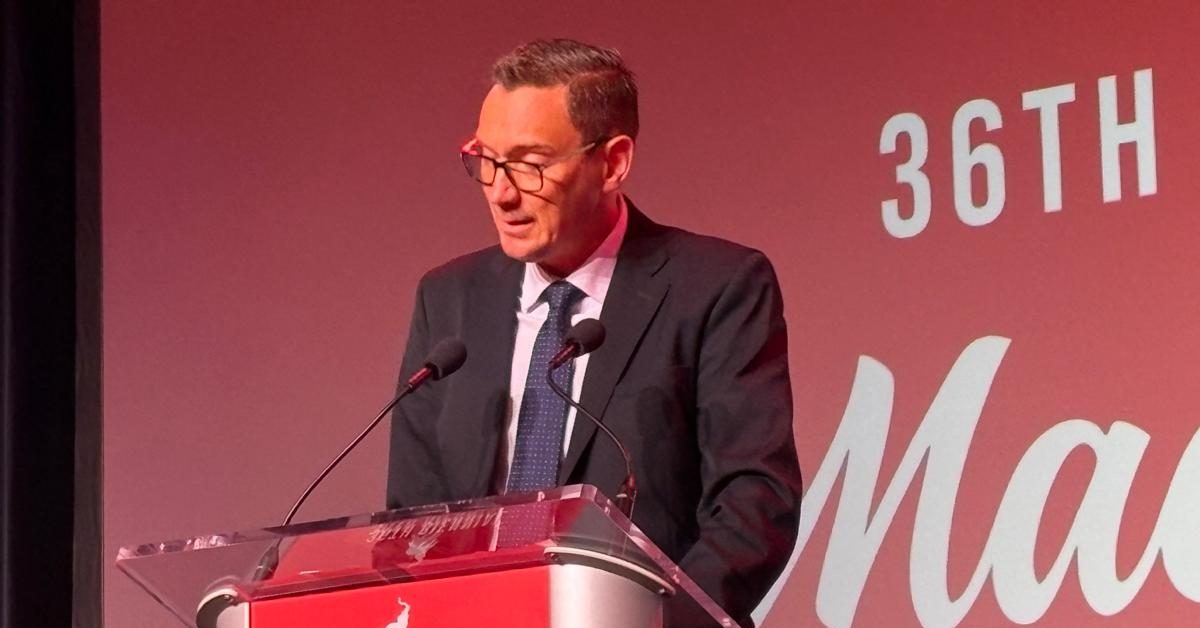
Jaco Kleynhans | Mackinac Republican Leadership Conference, Michigan, VSA

Speech | 21 SEPTEMBER 2025 | Michigan
Ladies and Gentlemen, Chairman Jim Runestad, members of the U.S. House of Representatives, the Michigan Legislature and other political institutions in the U.S. and here in Michigan, distinguished guests,
It is an honor and a privilege to stand before you today at this 36th Mackinac Republican Leadership Conference, a gathering that embodies the unyielding spirit of liberty, resilience, and principled leadership that has defined the Republican movement for generations.
 I serve as the Head of International Liaison for Solidarity a large South African civil rights organization dedicated to protecting the rights, dignity, and future of minorities – particularly the Afrikaner minority – in a nation that increasingly seems bent on erasing our culture and identity.
But before I delve into the heart of my message, I must address a shadow that looms over us all, a stark reminder of the perils we face in this global battle for conservative values. Just last week, on a day that should have been filled with the promise of discourse and debate in the great state of Utah, we lost Charlie Kirk—a brilliant, fearless voice for the next generation of conservatives – to a cowardly assassination. His death was not merely a personal tragedy; it was a chilling escalation in the wave of violent rhetoric and actions targeted at conservative voices everywhere. From the streets of America to the town halls of Europe, and yes, even to the farmlands of my own country, South Africa, the enemies of freedom are emboldened. They chant slogans of hate, they incite division, and they strike without remorse.
As Afrikaners in South Africa, we will forever be grateful to Charlie Kirk and his huge contribution to focusing the world’s eyes on the murders of farmers in South Africa and the escalatingattack on the future of my people. Together with President Donald Trump and others, Kirk did great work over the past few years to tell the truth of what is happening in South Africa. Thank you, Charlie. We salute you! For now,and forever.
In South Africa, the toxic leftwing rhetoric has a name and a tune: “Kill the Boer, Kill the Farmer.” It is not some relic of the past; it is sung openly at political rallies, chanted by leaders who hold the reins of power, and echoed in the halls of government.
Thank you for giving me this platform to speak,not just for South Africa, but for all minorities under siege in a world that increasingly tolerates authoritarianism in the name of “progress.” Today, I want to focus on why South Africa matters to you – to America, to the Republican cause, and to the free world.
Let us begin with why South Africa is so crucially important to the United States, and why the Afrikaners, as a beleaguered minority, must be central to any American strategy in Africa. South Africa is not merely another country on the map; it is the economic powerhouse of the continent, commanding vast reserves of critical minerals that power everything from your smartphones to electric vehicles and defense systems. We hold over 80% of the world’s platinum supply and significant portions of manganese and vanadium, key to steel production and battery technology. In a world racing toward green energy and technological dominance, South Africa’s resources are a geopolitical goldmine. Losing influence here means ceding ground to authoritarian adversaries such as China.
But beyond these resources, South Africa is America’s gateway to Africa. With a sophisticated financial system and a G20 membership, we bridge the Global North and the emerging markets of the Global South. Trade between our nations exceeds $20 billion annually, supporting jobs in manufacturing, agriculture, and services across both countries.
Yet this partnership is fraying under the weight of South Africa’s internal decay and external alignments. America needs a stable, pro-Western South Africa to counter the spread of communism and authoritarianism on the continent. Without it, China’s Belt and Road Initiative will swallow Africa whole, Russia’s Wagner mercenaries will destabilize more regimes, and Iran’s proxies will find safe havens for mischief.
Now, why Afrikaners specifically? As a minority of about 2.5 million – roughly 5% of South Africa’s population – we represent a cultural and ideological bulwark against the tide of radicalism sweeping our land. We are conservatives at heart: family-oriented, entrepreneurial, religious, and committed to private property, rule of law, and individual liberty. Our values align seamlessly with the Republican ethos – think self-reliance, like the pioneers of the American West, or the unyielding faith of the Founding Fathers.
Historically, Afrikaners have been the stewards of South Africa’s agricultural heartland, producing 90% of the country’s food despite owning only a fraction of the land. We are the innovators in tech and engineering who keep the lights on and the doctors, teachers, and entrepreneurs who built modern South Africa. Marginalizing us does not just harm a minority; it undermines the very stability America needs in Africa. Supporting Afrikaners means bolstering a pro-American, pro-freedom force that can help reclaim the continent for democracy.
To understand our importance, one must know our background—a story of perseverance, innovation, and tragedy that mirrors the American journey in many ways. The Afrikaners trace our roots to the 17th century, when Dutch settlers arrived at the Cape of Good Hope, establishing a refreshment station for the Dutch East India Company. These were hardy Protestants—farmers, craftsmen, and traders—fleeing religious persecution in Europe, muchlike the Pilgrims who landed at Plymouth Rock. These Dutch settlers intermarried with French Huguenots and Germans and forged a unique identity; the Afrikaans language, a blend of Dutch and local tongues, became our voice; the Calvinist faith was our compass.
In the 19th century, as British imperial ambitions encroached, we embarked on the Great Trek – a mass migration inland of over 12,000 pioneers seeking freedom from colonial overreach. Our pioneer forefathers carved out republics such asthe Orange Free State and Transvaal, fighting epic battles against Zulu warriors at Blood River in 1838 and later against the British in the Anglo-Boer Wars of 1880 and 1899-1902.
The British were the first to use concentration camps during war, and during the Anglo Boer War of 1899 to 1902 most of our Afrikaner women and children were placed inconcentration camps by the English. More than 34 000 women and children perished in those concentration camps in some of the worst conditions you could ever imagine.
But after the war, we decided to forgive. We decided to move forward. We built a nation on the principle of self-determination, inventing technologies like the world’s first heart transplant in 1967 and pioneering conservation efforts that protected Africa’s wildlife.
Coming to the second topic: South Africa since 1994, and how the liberal Western vision of a “rainbow nation” has crumbled under the weight of ANC governance. When Nelson Mandela walked free from prison in 1990 and became president in 1994, the world hailed it as a miracle. The end of apartheid promised unity – a rainbow nation where black, white, brown, and Indian people could coexist in harmony. Western liberals, from Bill Clinton to Tony Blair, poured in billions in aid and investment, betting on reconciliation, affirmative action, and a mixed economy to heal old wounds.
For a brief, shining moment during the 1990’s it worked. Under Jacob Zuma from 2009 to 2018, “state capture” siphoned billions from public coffers—funds meant for housing, schools, and hospitals vanished into private jets and mansions. Eskom, our state power utility, was looted, leading to rolling blackouts that crippled industry. The ANC’s cadre deployment – placing loyalists in key positions – prioritized politics over competence, turning bureaucracies into fiefdoms. Racial quotas under Black Economic Empowerment (BEE) laws sidelined skilled workers, regardless of merit, fostering resentment and inefficiency.
At the commencement of President Cyril Ramaphosa’s tenure in 2018, the damage was irreversible. Unemployment soared above 30%, youth joblessness hit 60%, and inequalityworsened. The “rainbow” faded as tribalism and populism rose: the Economic Freedom Fighters (EFF), led by Julius Malema, openly calls for nationalizing everything, from all farmland to all financial institutions and mines. They advocate for land seizures, chanting “Kill the Boer” at rallies. Liberal ideals of meritocracy and non-racialism have been sacrificed on the altar of revenge politics. The ANC destroyed South Africa not through malice alone, but through incompetence masked as transformation. What was promised as upliftment became exploitation; what was envisioned as unity devolved into division. The West’s blind faith in this model – ignoring warning signs of socialism- left us a failed experiment, a cautionary tale for America as you grapple with your own progressive overreach.
This brings us to the third focus point: where South Africa stands today. As an increasinglyfailed state, service delivery has collapsed. Water shortages affect 40% of households; potholed roads and collapsing bridges symbolize infrastructure decay. Rolling power outages have been a reality in South Africa for the past 15 years. The brain drain is real: over a million South Africans, many Afrikaners, have emigrated since 1994, taking their expertise to Australia, Canada, and yes, America.
Land expropriation without compensation, enshrined in the 2018 ANC policy and accelerated under Ramaphosa with a new expropriation act signed late last year.
Racial laws and discrimination against minorities are rampant. BEE mandates high percentages of black ownership in companies, often through shady deals that enrich elites while excluding whites, Indians, and brown people from jobs and contracts. Affirmative action quotas fill universities and civil service with underqualified candidates, sidelining merit.
Crime is an epidemic: over 27,000 murders are committed annually – the highest in the world outside war zones. But farm attacks stand outas a special scourge against rural whites. Since 1994, over 3,000 farmers have been killed in brutal assaults involving torture, rape, and execution-style murders. Today there are less than 30,000 commercial farmers left in South Africa who must feed a growing population of more than 60 million.
Farm attacks and murders are not random robberies; they are ethnically motivated, with attackers targeting isolated homesteads, stealing little but inflicting maximum terror. The government downplays it, claiming it is mere crime, but the patterns—disproportionate violence against white farmers—tell another story. As President Trump rightly noted, it is a crisis demanding international attention.
Finally, our foreign policy has veered dangerously toward authoritarian embrace. South Africa, under ANC influence, has warmed to China, Russia, and Iran, aligning with BRICS to counter the West. In 2023, South Africahosted joint naval exercises with Russia and China in the Indian Ocean codenamed “Mosi”,signaling military cooperation amid Russia’s Ukraine invasion.
With Iran, ties deepened in 2025: high-level military talks in Tehran discussed hosting Iranian naval flotillas in our ports, and the South African government defended Iran’s nuclear ambitions at the UN. Ramaphosa’s government abstained from condemning Russia’s aggression and sued Israel at the ICJ over Gaza, earning praise from Tehran.
In February 2025, President Donald J. Trump issued Executive Order 14204, titled “Addressing Egregious Actions of the Republic of South Africa.” This landmark decree declared it U.S. policy to oppose South Africa’s human rights violations, particularly against white Afrikaners, and its undermining of international norms. It suspended foreign aid – over $500 million annually – until reforms are made. It also created a fast-track refugee program for persecuted Afrikaner farmers and professionals.
Since February, a bill was approved in the http://U.S.House of Representatives Committee on Foreign Affairs, further implementing President Trump’s executive order and even suggesting that targeted sanctions be imposed on ANC officials involved in corruption and land grabs. We support this proposal and hope that the act will soon be approved by the full House and the Senate so that President Trump can sign it.
President Trump’s reciprocal tariffs in April 2025 hit South African exports such as steel and agricultural products, retaliating against our BRICS alignments. Our fear now is that the tariffs are punishing the people closest to the U.S., such as Afrikaner farmers. We want to make a plea to the U.S. to lower the tariffs and instead focus on punitive measures against the South African government and radical anti-American politicians.
Within this crisis lies opportunity: strained relations can be leveraged for change. America holds the cards: market access, military aid, and diplomatic clout. By supporting Solidarity and civil society, the U.S. can empower pro-Western voices, pressure the ANC toward accountability, and reclaim South Africa as a strategic ally. I repeat: Please do not punish your friends, such as Afrikaner farmers, with tariffs. Punish the real scoundrels who have acted, and continue to act,against American interests!
In conclusion, my friends, South Africa’s story is one of promises betrayed but not yet lost. The assassination of Charlie Kirk reminds us that violence against our ideas is real, but so is our resolve. The chants of “Kill the Boer” echo the global assault on freedom, but with leaders like President Trump, we have hope.
I urge you: Pressure your government to enforce the executive order fully. Shine a light on farm murders and corruption. Support South African civil society with donations, media reports and access to a platform where we can share our views.
We ask you to counter South Africa’s drift toward tyrants by strengthening ties with true partners like us. Together, we can rebuild a South Africa that honors all its people – a beacon of liberty in Africa, allied with the greatest nation on earth, the United States of America. God bless you, God bless the Republican Party, God bless the great people of Michigan, God bless the Afrikaner people at the southern tip of Africa and God bless the enduring spirit of freedom. Thank you.
  • Watch the broadcast here.
Inleiding
Hoofstuk 1
Hoofstuk 2
Hoofstuk 3
Hoofstuk 5
Hoofstuk 7
Hoofstuk 8
Hoofstuk 12
Hoofstuk 15
Hoofstuk 16
Hoofstuk 17
Hoofstuk 19
Hoofstuk 20
Hoofstuk 21
Hoofstuk 22
Hoofstuk 23
Hoofstuk 25
Hoofstuk 27
Hoofstuk 28
Hoofstuk 31
Hoofstuk 32
Hoofstuk 34
Slot

Ons Sentrum

Die Gemeenskapstrukture-afdeling bestaan tans uit twee mediese ondersteuningsprojekte en drie gemeenskapsentrums, naamlik Ons Plek in die Strand, Derdepoort en Volksrust. Die drie gemeenskapsentrums is gestig om veilige kleuter- en/of naskoolversorging in die onderskeie gemeenskappe beskikbaar te stel. Tans akkommodeer die gemeenskapsentrums altesaam 158 kinders in die onderskeie naskoolsentrums, terwyl Ons Plek in die Strand 9 kleuters en Ons Plek in Volksrust 16 kleuters in die kleuterskool het.

Ons Winkel

Ons Winkels is Solidariteit Helpende Hand se skenkingswinkels. Daar is bykans 120 winkels landwyd waar lede van die publiek skenkings van tweedehandse goedere – meubels, kombuisware, linne en klere – kan maak. Die winkels ontvang die skenkings en verkoop goeie kwaliteit items teen bekostigbare pryse aan die publiek.

Saai

ʼn Familieboer-landbounetwerk wat hom daarvoor beywer om na die belange van familieboere om te sien deur hul regte te beskerm en te bevorder.

Pretoria FM en Klankkoerant

ʼn Gemeenskapsgebaseerde radiostasie en nuusdiens

Sakeliga

ʼn Onafhanklike sake-organisasie

Begrond Instituut

Die Begrond Instituut is ʼn Christelike navorsingsinstituut wat die Afrikaanse taal en kultuur gemeenskap bystaan om Bybelse antwoorde op belangrike lewensvrae te kry.

Ajani

Ajani is ‘n privaat geregistreerde maatskappy wat dienste aan ambagstudente ten opsigte van plasing by werkgewers bied.

Ajani is a registered private company that offers placement opportunities to artisan students in particular.

Wolkskool

Wolkskool is ʼn produk van die Skoleondersteuningsentrum (SOS), ʼn niewinsgewende organisasie met ʼn span onderwyskundiges wat ten doel het om gehalte- Afrikaanse onderrig te help verseker. Wolkskool bied ʼn platform waar leerders 24-uur toegang tot video-lesse, vraestelle, werkkaarte met memorandums en aanlyn assessering kan kry.

Kanton Beleggingsmaatskappy

Kanton is ʼn beleggingsmaatskappy vir eiendom wat deur die Solidariteit Beweging gestig is. Die eiendomme van die Solidariteit Beweging dien as basis van die portefeulje wat verder deur ontwikkeling uitgebrei sal word.

Kanton is ʼn vennootskap tussen kultuur en kapitaal en fokus daarop om volhoubare eiendomsoplossings aan instellings in die Afrikaanse gemeenskap teen ʼn goeie opbrengs te voorsien sodat hulle hul doelwitte kan bereik.

Maroela Media

Maroela Media is ʼn Afrikaanse internetkuierplek waar jy alles kan lees oor dit wat in jou wêreld saak maak – of jy nou in Suid-Afrika bly of iewers anders woon en deel van die Afrikaanse Maroela-gemeenskap wil wees. Maroela Media se Christelike karakter vorm die kern van sy redaksionele beleid.

AfriForum Publishers

AfriForum Uitgewers (previously known as Kraal Uitgewers) is the proud publishing house of the Solidarity Movement and is the home of Afrikaans non-fiction, products related to the Afrikaner’s history, as well as other prime Afrikaans products. The publisher recently shifted its focus and will only publish internal publications of the Solidarity Movement from now on.

Akademia

Akademia is ’n Christelike hoëronderwysinstelling wat op ’n oop, onbevange en kritiese wyse ’n leidinggewende rol binne die hedendaagse universiteitswese speel.

Akademia streef daarna om ʼn akademiese tuiste te bied waar sowel die denke as die hart gevorm word met die oog op ʼn betekenisvolle en vrye toekoms.

Sol-Tech

Sol-Tech is ʼn geakkrediteerde, privaat beroepsopleidingskollege wat op Christelike waardes gefundeer is en Afrikaans as onderrigmedium gebruik.

Sol-Tech fokus op beroepsopleiding wat tot die verwerwing van nasionaal erkende, bruikbare kwalifikasies lei. Sol-Tech het dus ten doel om jongmense se toekomsdrome met betrekking tot loopbaanontwikkeling deur doelspesifieke opleiding te verwesenlik.

Skoleondersteuningsentrum (SOS)

Die Solidariteit Skoleondersteuningsentrum (SOS) se visie is om die toekoms van Christelike, Afrikaanse onderwys te (help) verseker deur gehalte onderrig wat reeds bestaan in stand te (help) hou, én waar nodig nuut te (help) bou.

Die SOS se doel is om elke skool in ons land waar onderrig in Afrikaans aangebied word, by te staan om in die toekoms steeds onderrig van wêreldgehalte te bly bied en wat tred hou met die nuutste navorsing en internasionale beste praktyke.

Solidariteit Finansiële Dienste (SFD)

SFD is ʼn gemagtigde finansiëledienstemaatskappy wat deel is van die Solidariteit Beweging. Die instelling se visie is om die toekomstige finansiële welstand, finansiële sekerheid en volhoubaarheid van Afrikaanse individue en ondernemings te bevorder. SFD doen dit deur middel van mededingende finansiële dienste en produkte, in Afrikaans en met uitnemende diens vir ʼn groter doel aan te bied.

Geskiedenisfonds

ʼn Fonds wat help om die Afrikanergeskiedenis te bevorder.

Solidariteit Boufonds

ʼn Fonds wat spesifiek ten doel het om Solidariteit se opleidingsinstellings te bou.

Solidariteit Regsfonds

ʼn Fonds om die onregmatige toepassing van regstellende aksie teen te staan.

Solidariteit Jeug

Solidariteit Jeug berei jongmense voor vir die arbeidsmark, staan op vir hul belange en skakel hulle in by die Netwerk van Werk. Solidariteit Jeug is ʼn instrument om jongmense te help met loopbaankeuses en is ʼn tuiskomplek vir jongmense.

S-leer

Solidariteit se sentrum vir voortgesette leer is ʼn opleidingsinstelling wat voortgesette professionele ontwikkeling vir professionele persone aanbied. S-leer het ten doel om werkendes met die bereiking van hul loopbaandoelwitte by te staan deur die aanbieding van seminare, kortkursusse, gespreksgeleenthede en e-leer waarin relevante temas aangebied en bespreek word.

Studiefondssentrum

DIE HELPENDE HAND STUDIETRUST (HHST) is ʼn inisiatief van Solidariteit Helpende Hand en is ʼn geregistreerde openbare weldaadsorganisasie wat behoeftige Afrikaanse studente se studie moontlik maak deur middel van rentevrye studielenings.

Die HHST administreer tans meer as 200 onafhanklike studiefondse namens verskeie donateurs en het reeds meer as 6 300 behoeftige studente se studie moontlik gemaak met ʼn totaal van R238 miljoen se studiehulp wat verleen is.

De Goede Hoop-koshuis

De Goede Hoop is ʼn moderne, privaat Afrikaanse studentekoshuis met hoë standaarde. Dit is in Pretoria geleë.

De Goede Hoop bied ʼn tuiste vir dinamiese studente met Christelike waardes en ʼn passie vir Afrikaans; ʼn tuiste waar jy as jongmens in gesonde studentetradisies kan deel en jou studentwees met selfvertroue in Afrikaans kan uitleef.

AfriForum Jeug

AfriForum Jeug is die amptelike jeugafdeling van AfriForum, die burgerregte-inisiatief wat deel van die Solidariteit Beweging vorm. AfriForum Jeug berus op Christelike beginsels en ons doel is om selfstandigheid onder jong Afrikaners te bevorder en die realiteite in Suid-Afrika te beïnvloed deur veldtogte aan te pak en aktief vir jongmense se burgerregte standpunt in te neem.

AfriForum Uitgewers

AfriForum Uitgewers (voorheen bekend as Kraal Uitgewers) is die trotse uitgewershuis van die Solidariteit Beweging en is die tuiste van Afrikaanse niefiksie-, Afrikanergeskiedenis- én prima Afrikaanse produkte. Dié uitgewer het onlangs sy fokus verskuif en gaan voortaan slegs interne publikasies van die Solidariteit Beweging publiseer.

AfriForumTV

AfriForumTV is ʼn digitale platform wat aanlyn en gratis is en visuele inhoud aan lede en nielede bied. Intekenaars kan verskeie kanale in die gemak van hul eie huis op hul televisiestel, rekenaar of selfoon verken deur van die AfriForumTV-app gebruik te maak. AfriForumTV is nóg ʼn kommunikasiestrategie om die publiek bewus te maak van AfriForum se nuus en gebeure, maar ook om vermaak deur films en fiksie- en realiteitsreekse te bied. Hierdie inhoud gaan verskaf word deur AfriForumTV self, instellings binne die Solidariteit Beweging en eksterne inhoudverskaffers.

Forum Sekuriteit

Forum Sekuriteit is in die lewe geroep om toonaangewende, dinamiese en doeltreffende privaat sekuriteitsdienste in

Suid-Afrika te voorsien en op dié wyse veiligheid in gemeenskappe te verhoog.

Solidariteit Helpende Hand

Solidariteit Helpende Hand fokus op maatskaplike welstand en dié organisasie se groter visie is om oplossings vir die hantering van Afrikanerarmoede te vind.

Solidariteit Helpende Hand se roeping is om armoede deur middel van gemeenskapsontwikkeling op te los. Solidariteit Helpende Hand glo dat mense ʼn verantwoordelikheid teenoor mekaar en teenoor die gemeenskap het.

Solidariteit Helpende Hand is geskoei op die idees van die Afrikaner-Helpmekaarbeweging van 1949 met ʼn besondere fokus op “help”, “saam” en “ons.”

FAK

Die Federasie van Afrikaanse Kultuurvereniginge (FAK) is reeds in 1929 gestig. Vandag is die FAK steeds dié organisasie wat jou toelaat om kreatief te wees in jou taal en kultuur. Die FAK is ’n toekomsgerigte kultuurorganisasie wat ’n tuiste vir die Afrikaanse taal en kultuur bied en die trotse Afrikanergeskiedenis positief bevorder.

AfriForum

AfriForum is ʼn burgerregte-organisasie wat Afrikaners, Afrikaanssprekende mense en ander minderheidsgroepe in Suid-Afrika mobiliseer en hul regte beskerm.

AfriForum is ʼn nieregeringsorganisasie wat as ʼn niewinsgewende onderneming geregistreer is met die doel om minderhede se regte te beskerm. Terwyl die organisasie volgens die internasionaal erkende beginsel van minderheidsbeskerming funksioneer, fokus AfriForum spesifiek op die regte van Afrikaners as ʼn gemeenskap wat aan die suidpunt van die vasteland woon. Lidmaatskap is nie eksklusief nie en enige persoon wat hom of haar met die inhoud van die organisasies se Burgerregte-manifes vereenselwig, kan by AfriForum aansluit.